Services · Tucson, Arizona

Commercial Generator & Standby Power Installation in Tucson, AZ

A generator is only as good as everything around it — the transfer switch, the separation of emergency circuits, the pad, the conduit, and the commissioning that proves it picks up load when the power drops. Arizona Electrical Solutions engineers and self-performs commercial standby and emergency power systems across Tucson, from the concrete pad to the final load test. Request a bid →

Standby Power

Generators, transfer switches, and the circuits behind them

Standby power is a systems problem, not an equipment purchase. The code treats emergency systems, legally required standby, and optional standby differently — different separation, different transfer times, different testing — and the design has to say which one you are building before anyone sets a generator. We install those systems under our CR-11 electrical license, with the emergency circuits, transfer equipment, and interlocks wired by the same crews who build the rest of the distribution.

This work sits inside our broader life-safety and emergency power scope and our service & distribution capability.

Generators

Standby & Emergency Generators

Diesel and natural-gas generator sets for commercial, industrial, and institutional facilities — sized against a real load calculation, set on a pad we pour, and wired, tested, and commissioned before you depend on it.

Life-safety systems →
Transfer

Automatic & Manual Transfer Switches

ATS and manual transfer equipment installed and coordinated with the service and the emergency loads — including the neutral-switching decision, which depends on whether the generator is a separately derived system.

Transfer switch field guide →
Site Work

Pads, Conduit & Fuel Runs

Concrete equipment pads, the underground conduit between the generator and the building, bollards, and the trenching that goes with it — self-performed under our KA engineering license with our own equipment.

Trenching & underground →

Scoping It

What decides the size, the price, and the code path

Two buildings with the same square footage can need completely different standby systems. These are the questions that set the scope:

What has to stay on

Life-safety loads only, or the whole building? Emergency egress lighting and fire alarm are one conversation; keeping refrigeration, servers, or a production line running is another. The answer sets the generator size, the transfer scheme, and most of the cost.

Which code article applies

NEC Article 700 (emergency), 701 (legally required standby), and 702 (optional standby) impose different separation, transfer time, and testing requirements. Occupancy type and the fire code drive which one you are in — and that has to be settled during design.

Where the generator can physically go

Setback, sound, fuel, service access, and the distance back to the transfer switch all shape the install. A generator on the far side of a parking lot is a trenching and conduit job as much as an electrical one.

Fuel type and runtime

Natural gas removes the fuel-storage problem but depends on the gas supply; diesel needs a tank, containment, and a fuel-maintenance plan. Required runtime, refueling access, and local requirements all factor in.

Code Path

Emergency, legally required, or optional standby

These three are not interchangeable words for the same thing. Emergency systems under Article 700 carry egress lighting and the loads that keep people safe getting out, and they have to transfer within ten seconds with wiring kept independent of everything else. Legally required standby under Article 701 covers loads the AHJ requires — smoke control, certain pumps — with its own rules. Optional standby under Article 702 is everything you keep running because losing it costs money.

Getting this classification right early is what keeps a project from being redesigned at plan review. Our field team wrote a public guide on it: how to wire a generator transfer switch, including sizing per 702.4 and the neutral-switching decision.

  • Article 700 emergency circuits kept independent of normal power wiring
  • Article 701 legally required standby loads identified with the AHJ
  • Article 702 optional standby sized to what the operation actually needs
  • Transfer times, load steps, and pickup sequence designed, not assumed
  • Selective load shedding where the generator is smaller than the building

Commissioning

It isn't finished until it has carried the load

A generator that has never been tested under load is a hypothesis. We commission the system: verify phase rotation and voltage, exercise the transfer switch in both directions, confirm the loads pick up in the sequence the design calls for, and document the results for the owner and the AHJ.

Once it is in service, emergency and standby systems carry ongoing testing duties — monthly exercise, annual testing, records the inspector will ask for. Our commercial maintenance crews can take that on for facilities that would rather not manage it in-house.

  • Start-up and functional testing with the equipment manufacturer's representative
  • Transfer and re-transfer verified under load, with timing confirmed
  • Phase rotation and voltage checked before anything is energized downstream
  • Emergency lighting and fire alarm verified on generator power
  • Closeout documentation, one-lines, and O&M turnover to your facility team

Self-Performed

One contractor for the pad, the conduit, and the wire

A generator install is a civil job, an electrical job, and a controls job at once. We hold the licenses for all three, so nobody is waiting on somebody else's subcontractor.

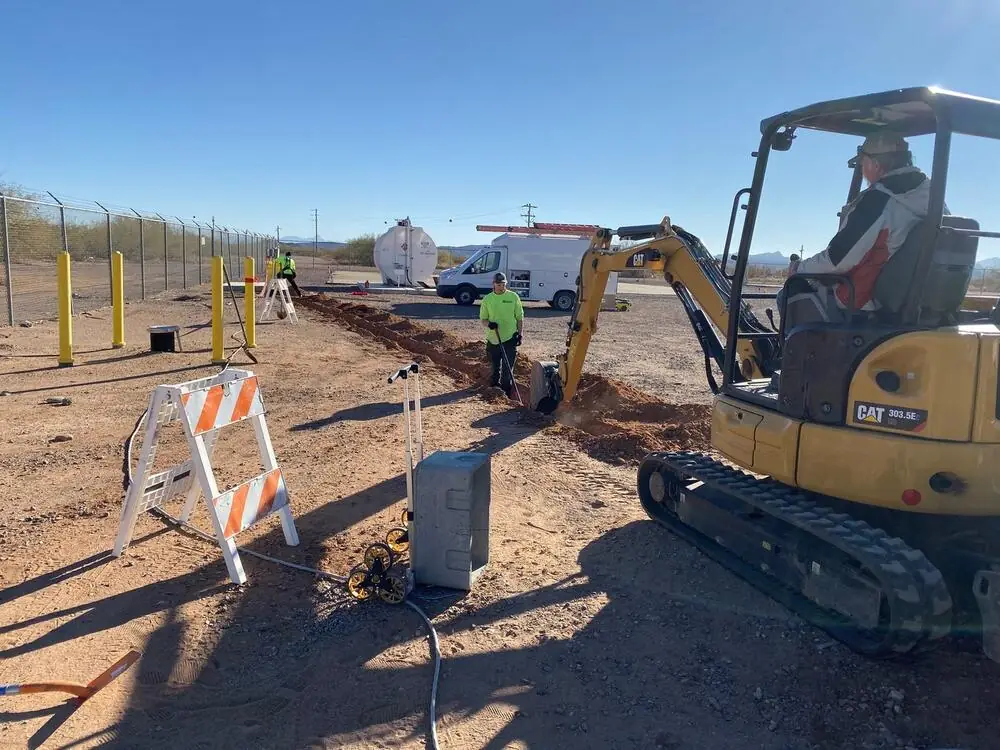
Excavator trenching for underground conduit on a commercial site in Southern Arizona
Ground Up

Pad, trench, and conduit

Equipment pads, the conduit run back to the building, and the trench it lives in — all under our own KA engineering license, with our own Cat fleet and certified operators.

Underground & heavy equipment →

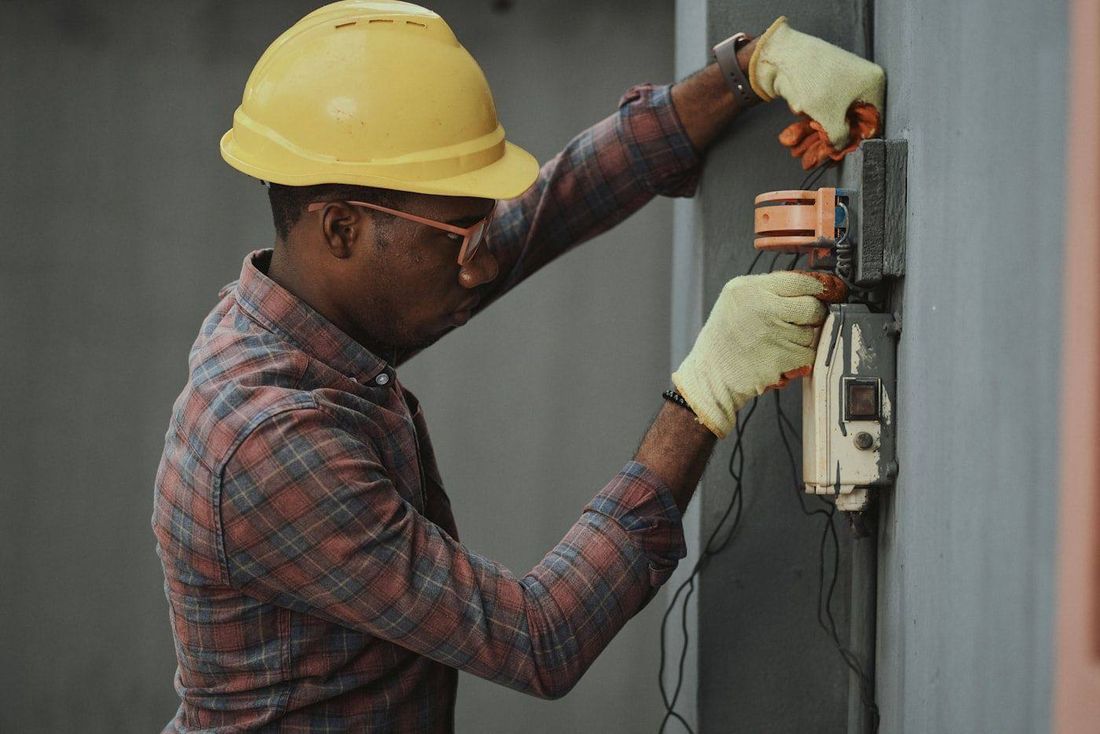
Commercial electrical panel and circuit wiring installed by Arizona Electrical Solutions
Inside

Transfer equipment and emergency circuits

The transfer switch, the emergency panel, the separated wiring the code requires, and the interlocks that make the building respond as a system when power drops.

Life-safety scope →

FAQ

Tucson generator and standby power questions, answered

What size generator does our building need?

It comes out of a load study, not a rule of thumb. We identify which loads have to stay energized, calculate their demand including motor starting, and size the set against that — then look at whether load shedding or staged pickup lets a smaller, cheaper generator do the job. Oversizing costs money twice: at purchase and every month it runs lightly loaded.

Do you install the automatic transfer switch as well as the generator?

Yes. We install and wire the transfer equipment, the emergency distribution, and the interlocks, and we commission the whole system together. That includes the neutral-switching decision, which depends on whether the generator is treated as a separately derived system.

Is a generator required by code for our facility?

It depends on the occupancy and what the fire code and the AHJ require. Some facilities need an emergency system under NEC Article 700 or legally required standby under 701; many commercial buildings install optional standby under 702 purely as a business decision. We settle that classification during design, with the AHJ, before equipment is ordered.

Can you handle the concrete pad and the trenching?

Yes — that is one of the reasons owners call us for generator work. Our KA engineering license and our own equipment cover the pad, the trench, the underground conduit, and the restoration, so the site work and the electrical work are on the same contract and the same schedule.

Do you test the system before turning it over?

Always. We run start-up and functional testing with the manufacturer's representative, verify transfer and re-transfer under load, confirm the loads pick up in the designed sequence, and hand over documentation for the owner and the inspector.

Can you maintain and test the generator after it's installed?

Yes. Emergency and standby systems carry ongoing exercise and testing duties, and inspectors ask for the records. Our commercial electrical maintenance crews handle scheduled testing and life-safety system checks for facilities across the Tucson area.

Related Services

Work that usually comes with this one

One contractor carries the whole scope. See every service we self-perform.

Related Service

Life-Safety Systems

Fire alarm, emergency power, egress lighting, and AHJ sign-off.

Planning standby power for a Tucson facility?

Tell us what has to stay running and where the generator can go. We'll size the system, plan the site work, and come back with a line-item bid.

Request a Bid Call (520) 308-6235