CR-11 — Electrical
The specialty electrical classification — service & distribution, lighting, life-safety, controls, special systems. The minimum any electrical bidder must hold; a building license alone does not authorize electrical work.
License class, bonding, self-performed labor, delivery method, crews, bid scope — six checks that tell you more than any brochure. Here's how to run them, for the GCs, developers, and facility managers who award commercial work in Tucson.
The Short Answer
To choose a commercial electrical contractor in Tucson, run every bidder through six checks before comparing prices:
Check 1 — Licensing
Arizona licenses commercial contractors through the Registrar of Contractors, and classification matters as much as the license — a firm may only contract for work its class covers. Verify status, entity name, and complaint history at roc.az.gov before signing.
The specialty electrical classification — service & distribution, lighting, life-safety, controls, special systems. The minimum any electrical bidder must hold; a building license alone does not authorize electrical work.
The dual building class for commercial and residential work. It lets a firm hold the prime contract on a building project — one contractor accountable beyond the electrical scope.
The dual engineering class for heavy-civil and underground utility work — trenching, duct banks, site infrastructure. It matters whenever your project puts conduit in the ground.
HVAC carries its own class (CR-39). On a multi-scope proposal, ask which licenses cover which lines — and who holds them.
Check 2 — Bonding & Insurance
Bonding confirms a surety has underwritten the contractor's ability to finish the job and pay its trades and suppliers. On public work it isn't optional: bid, performance, and payment bonds are standard procurement requirements.
Insurance is the same conversation. A commercial-ready contractor issues a certificate of insurance quickly, with the additional-insured and waiver-of-subrogation endorsements your contract demands. If a COI takes weeks, expect your paperwork to run the same way.
Check 3 — Self-Perform vs. Broker
Some contractors win work and then broker it: the crews on site answer to someone else's schedule, every tier adds markup and a coordination seam, and when a sub's crew gets pulled, your critical path slips.
A self-performing contractor puts its own payroll crews and equipment on the job and controls sequencing, manpower, and quality directly. Two questions cut through the marketing: what percentage of this scope do your own employees perform, and do you own the equipment it needs?
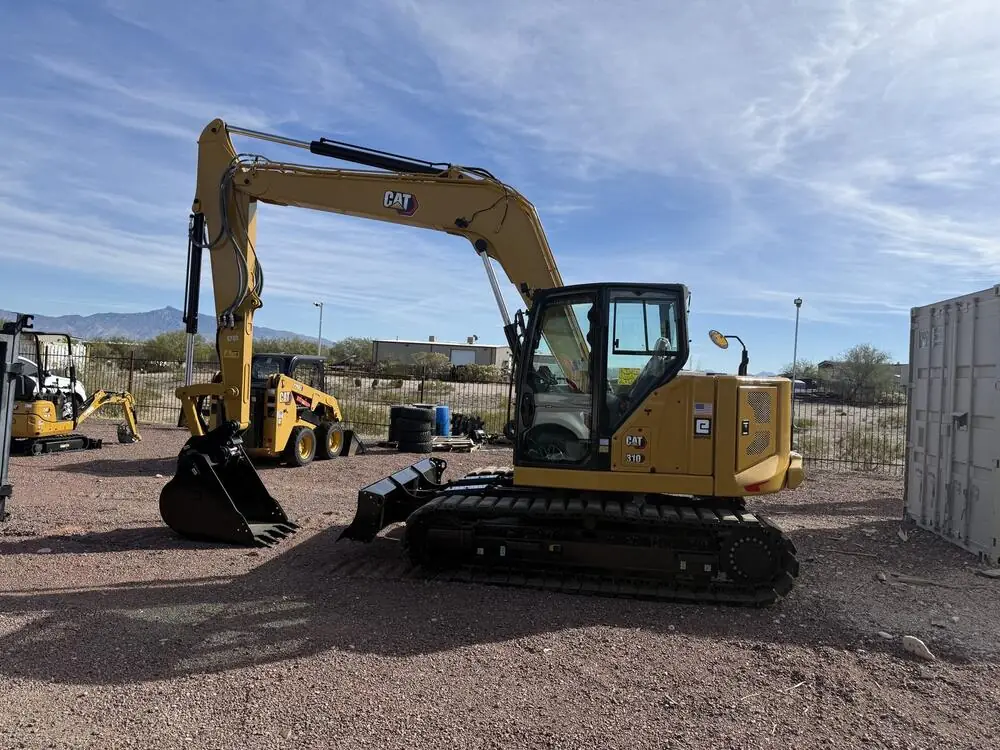
A contractor that owns its fleet isn't waiting on a rental yard to open a trench — that shows up in the schedule.
Check 4 — Delivery Method
Contractors price the same engineered documents, so bids compare apples to apples — if each bidder prices the whole scope. Favor one that bids from a real takeoff and flags drawing gaps during bidding, not after award.
One firm designs and builds under one contract: earlier cost certainty, fewer designer-versus-installer conflicts, one accountable point. Ask whether engineering is genuinely in-house — engineers and crews under one roof resolve conflicts on paper.
Neither model is universally better — complete drawings favor plan-and-spec; schedule pressure and single-source accountability favor a design-build contractor.
Checks 5 & 6 — Crews, Safety & Bid Scope
A real commercial bid is built from the documents: a quantity takeoff, gear quotes with lead times, labor by phase, and written inclusions, exclusions, allowances, and alternates. Bottom lines alone can't be compared — two close bids can be scoped worlds apart.
Cost is driven by service size, gear lead times, building type, underground conditions, code requirements, phasing, and prevailing wage. Get a detailed bid and compare scope line by line.
Full Disclosure
We publish this guide because we clear it — run us through the same checks. Arizona Electrical Solutions is a Tucson-based commercial electrical contractor and design-build firm with four active Arizona ROC licenses: CR-11 Electrical #276948, KB-1 Dual Building #329360, KA Dual Engineering #312437, and CR-39 Air Conditioning & Refrigeration #326401.
We're bonded for commercial and public work, issue project-specific COIs, and self-perform electrical, underground, HVAC, and construction with our own crews, in-house engineering, and an owned Cat® fleet — details on our credentials page and FAQ.
Written and maintained by Arizona Electrical Solutions, LLC. Last updated September 2, 2026.
FAQ
At minimum, an active CR-11 Electrical license from the Arizona Registrar of Contractors (ROC). Holding the prime contract for building work also requires a general building license such as KB-1, and heavy site or underground work falls under a KA engineering license.
Search the contractor's name or license number at roc.az.gov. Confirm the license is active, the class covers your scope, and the entity name matches the bidder — and review any complaint history before you award.
CR-11 is the specialty electrical classification. KB-1 is a dual building license for holding the prime contract on building projects. KA is a dual engineering license for heavy-civil and underground utility work. A building or engineering license does not by itself authorize electrical work.
Commercial general liability, statutory workers' compensation, commercial auto, and excess/umbrella for larger contracts. Before work starts, ask for a certificate of insurance naming you as additional insured, with waiver-of-subrogation endorsements if your contract requires them.
Cost is driven by service size, switchgear lead times, building type, site conditions, code requirements, phasing around occupants, and prevailing wage. The only reliable number is a detailed bid against your drawings and schedule — request one and compare scope line by line.
Yes — especially for schedule. A self-performing contractor's own crews and equipment control sequencing directly; a broker adds markup and coordination seams at every tier. Ask what percentage of your scope will be on the bidder's own payroll.
Send us your drawings or program and we'll return a scoped bid — with license numbers, bonding, and insurance documentation attached.
Request a Bid Call (520) 308-6235